
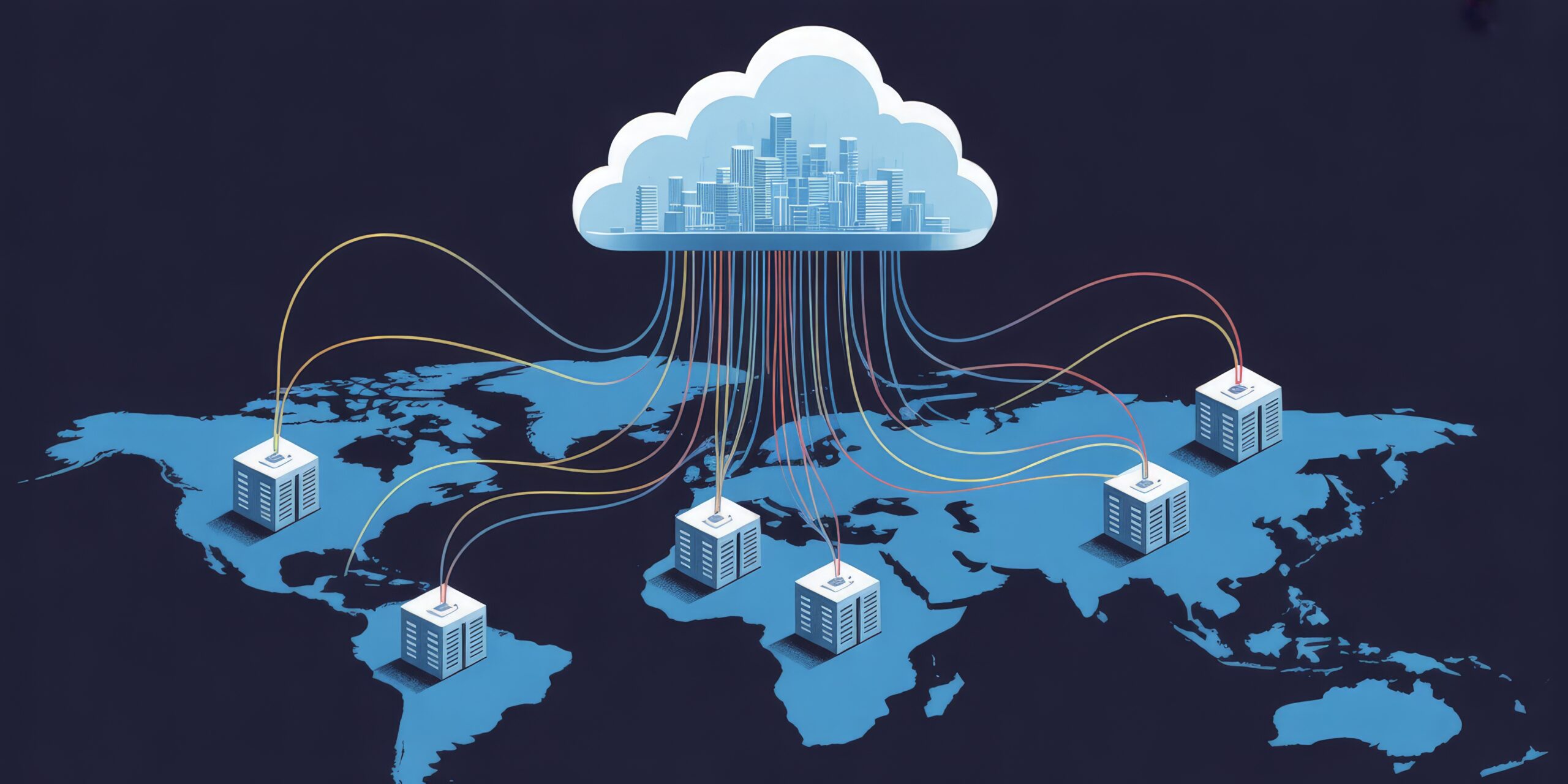
For many organizations, moving to the cloud represents a major step toward modernization and efficiency. The benefits of the cloud—such as scalability, flexibility, and cost savings—make it an attractive option for businesses of all sizes. However, without a well-structured approach, the cloud migration process can quickly become more complex and expensive than anticipated.
A successful transition requires more than just shifting applications to the cloud or transferring data from on-premises servers. It demands clear migration plans, thoughtful cloud migration strategies, and an understanding of how each cloud service fits into your overall technology ecosystem. Missteps in these areas can result in unexpected cloud costs, performance issues, or even security and compliance risks.
In this article, we’ll explore five common cloud migration mistakes that organizations often encounter when building or scaling their cloud environment—and, more importantly, how to avoid them to ensure your investment in cloud infrastructure delivers the results you expect.
Mistake #1: Underestimating the Complexity of Data Transfer
One of the most common cloud migration mistakes organizations make is assuming that moving data to the cloud is a quick, straightforward task. In reality, the data transfer stage can become one of the most time-consuming and technically demanding parts of the entire cloud migration process. Businesses often underestimate how much planning and testing are required to ensure that critical files, databases, and applications transition smoothly to their new cloud environment.
Without the right migration plans and tools, data can become fragmented, corrupted, or lost during transfer. This not only disrupts operations but can also lead to costly downtime and rework. Additionally, when large amounts of data are being moved, bandwidth limitations and network bottlenecks can significantly slow down the process. To avoid this, organizations should evaluate data size, storage requirements, and connection speeds well in advance, ensuring that the chosen cloud platforms can handle the load efficiently.
By carefully planning data transfer and validating each stage of the move, businesses can maintain performance, ensure data integrity, and achieve a seamless transition to cloud infrastructure.
Mistake #2: Ignoring Security and Compliance During Migration
Security and compliance are often treated as afterthoughts in the rush to complete a cloud migration, but overlooking them can lead to serious consequences. When organizations move applications to the cloud without properly assessing data governance, privacy regulations, and industry requirements, they expose themselves to risks ranging from data breaches to regulatory penalties. Each cloud service and cloud platform has its own shared responsibility model, which defines what the provider secures versus what the customer must manage. Failing to understand this can result in unprotected configurations and unauthorized data access.
During the cloud migration process, businesses should implement strong identity management, encryption, and monitoring solutions as part of their overall cloud migration strategies. Security policies must evolve with the new cloud environment to ensure continuous protection—both during data transfer and post migration. Additionally, regular audits and compliance checks are essential to confirm that the cloud infrastructure aligns with standards such as HIPAA, SOC 2, or GDPR.
By addressing security and compliance early in migration plans, organizations can prevent costly oversights and maintain trust with customers while realizing the full benefits of the cloud.
Mistake #3: Failing to Accurately Estimate the Total Cost of Cloud Migration
Another frequent misstep in cloud migration strategies is misjudging the total cost involved in moving to the cloud. Many organizations assume that transitioning to a cloud-based model automatically leads to cost savings, but the reality can be more nuanced. Expenses related to data transfer, application reconfiguration, third-party tools, and post migration management often exceed initial projections.
When businesses overlook these hidden elements, they risk overspending and losing confidence in the project’s value. Beyond setup, ongoing cloud costs—such as storage, bandwidth, and support—can vary significantly between cloud platforms. To manage this effectively, organizations should conduct a thorough cost analysis that includes migration, operation, and optimization phases. This allows them to balance performance requirements with financial constraints and avoid paying for unused or underutilized cloud service resources.
A transparent approach to budgeting helps ensure that the shift to cloud infrastructure delivers measurable ROI. By treating cost assessment as a continuous process rather than a one-time calculation, companies can control expenses while fully realizing the long-term benefits of the cloud.
Mistake #4: Overlooking Application Compatibility and Dependencies
A critical yet often ignored issue in the cloud migration process is failing to analyze how existing systems, applications, and integrations will behave once they’re moved to the cloud. Many organizations discover too late that certain workloads or legacy software aren’t designed to function optimally in a cloud environment. Without a clear understanding of interdependencies, businesses risk broken workflows, performance degradation, or even complete application failure after migration.
Before migrating, it’s essential to perform a detailed assessment of each application’s architecture, dependencies, and compatibility with selected cloud platforms. Some workloads may require refactoring, containerization, or even replacement with newer cloud-based alternatives. Proper planning ensures that applications to the cloud are optimized for scalability, performance, and maintainability.
By including compatibility testing as a key step in migration plans, businesses can minimize downtime, reduce rework, and create a smoother transition that supports long-term success. A well-structured evaluation of existing systems also helps identify opportunities to modernize applications and leverage new capabilities offered by advanced cloud computing solutions.
Mistake #5: Neglecting Post Migration Optimization and Monitoring
Many organizations treat the completion of data transfer as the finish line, but in reality, post migration optimization is just as critical as the initial move. Once workloads and applications are live in the new cloud environment, continuous monitoring, fine-tuning, and governance are essential to ensure ongoing efficiency, security, and performance. Ignoring this stage can lead to escalating cloud costs, reduced productivity, and even compliance gaps over time.
After moving to the cloud, businesses should implement monitoring tools that track usage patterns, resource allocation, and overall system health. This visibility helps identify opportunities for cost savings and better performance management across cloud infrastructure. Optimization may include rightsizing virtual machines, automating scaling, and reviewing storage tiers to prevent overspending.
Furthermore, ongoing evaluations of cloud service configurations and security settings ensure that compliance standards remain intact and vulnerabilities are promptly addressed. Treating the post migration phase as an ongoing process—rather than a one-time event—allows organizations to fully realize the long-term benefits of the cloud while keeping operations agile, secure, and cost-effective.
Conclusion: Building a Successful Cloud Migration Strategy
A well-executed cloud migration is far more than a technical upgrade—it’s a strategic initiative that can redefine how a business operates, scales, and innovates. By recognizing and avoiding the most common cloud migration mistakes—such as underestimating data transfer complexity, overlooking security and compliance, miscalculating total cost, neglecting application compatibility, and skipping post migration optimization—organizations can ensure a smoother transition and stronger long-term outcomes.
Every phase of the cloud migration process, from initial assessment to continuous improvement, requires clear migration plans and collaboration between IT leaders, vendors, and cloud service providers. Businesses that take the time to evaluate their cloud environment, define goals, and refine their cloud migration strategies will not only achieve cost savings but also unlock new agility, performance, and resilience across their cloud infrastructure.
Ultimately, moving to the cloud isn’t just about technology—it’s about creating a foundation for sustainable growth and innovation powered by modern cloud computing and cloud-based solutions.