
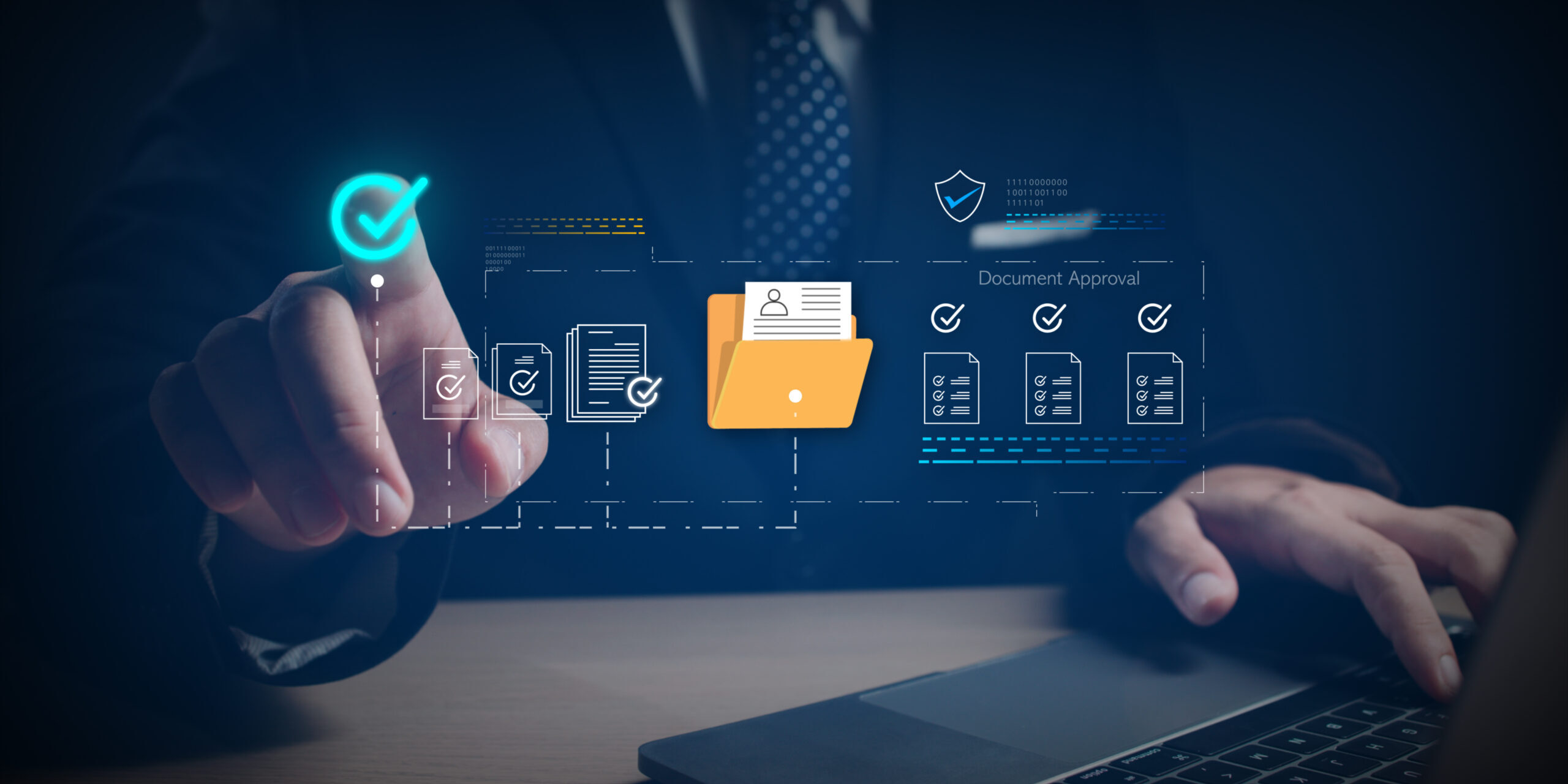
When businesses think about reliable IT support, they often focus on response times, cybersecurity tools, or the expertise of their provider. While these factors are important, one of the most overlooked elements of effective IT management is documentation. Whether it’s network configurations, user permissions, hardware inventories, software licenses, or disaster recovery procedures, documentation is essential for maintaining a stable and secure technology environment.
Without accurate records, even simple technical issues can take longer to resolve. IT professionals may spend valuable time searching for critical information instead of addressing the problem at hand. As organizations grow and technology becomes more complex, the lack of documentation can lead to increased downtime, security vulnerabilities, and operational inefficiencies.
Well-maintained documentation also ensures continuity when personnel changes occur. When key employees leave or new team members join the organization, detailed records provide the knowledge needed to support systems effectively and minimize disruptions. Rather than relying on information stored in a single employee’s memory, businesses can create a structured approach that makes technology management more consistent and scalable.
In today’s business environment, where downtime can impact productivity, customer service, and revenue, having access to accurate documentation is no longer optional. It is a foundational component of proactive IT support, cybersecurity preparedness, and long-term business success.
Faster Issue Resolution and Reduced Downtime
One of the biggest benefits of comprehensive IT documentation is the ability to resolve technical issues more quickly. When systems, networks, applications, and user accounts are properly documented, IT professionals can immediately access the critical information needed to diagnose and correct problems. Instead of spending hours identifying server configurations, tracking down device information, or searching for login credentials, support teams can focus on restoring services and minimizing business disruption.
This level of efficiency becomes especially important during unexpected outages or cybersecurity incidents. Every minute spent searching for missing information can extend downtime and increase the impact on employees and customers. Because documentation is essential to effective troubleshooting, organizations that maintain accurate records are often able to recover from issues significantly faster than those that rely on outdated notes or institutional knowledge.
Proper documentation also improves collaboration among IT team members. Whether support requests are being handled internally or by a managed service provider, documented procedures and system details allow multiple technicians to work from the same information. This consistency reduces errors, eliminates duplicate troubleshooting efforts, and helps ensure that issues are resolved using established best practices rather than guesswork.
Preserving Knowledge and Supporting Business Continuity
Many organizations unknowingly create technology risks by relying on a single employee or IT provider to manage important systems and processes. When critical knowledge exists only in one person’s memory, the business becomes vulnerable to disruptions caused by employee turnover, vacations, illnesses, or unexpected departures. Comprehensive documentation helps eliminate this risk by creating a centralized source of truth that can be accessed when needed.
From network diagrams and software inventories to vendor contacts and security policies, documented procedures ensure that important operational knowledge remains available regardless of staffing changes. This allows new team members to become productive more quickly and helps existing staff maintain consistent support without unnecessary delays. Instead of starting from scratch when personnel changes occur, organizations can rely on documented information to keep operations running smoothly.
Documentation is essential for business continuity because it provides a clear roadmap during planned and unplanned events. Whether a company is recovering from a system failure, implementing new technology, or transitioning responsibilities between employees, having accurate records reduces uncertainty and helps maintain productivity. By documenting systems, processes, and responsibilities, businesses can better protect themselves from operational disruptions while ensuring technology remains aligned with organizational goals.
Strengthening Cybersecurity and Risk Management
Effective cybersecurity depends on visibility, and that visibility starts with accurate documentation. Organizations cannot properly protect their technology environments if they do not have a clear understanding of their systems, users, devices, and data. Maintaining detailed records of network infrastructure, security controls, software assets, user permissions, and access policies helps businesses identify vulnerabilities and respond to potential threats more effectively.
When documentation is incomplete or outdated, security gaps can easily go unnoticed. Forgotten user accounts, unsupported software, untracked devices, and undocumented system changes can create opportunities for cybercriminals to exploit weaknesses within the environment. By keeping documentation current, businesses can maintain greater control over their technology assets and ensure that security measures are applied consistently across the organization.
Documentation is essential during cybersecurity incidents because it provides immediate access to critical information that can accelerate response and recovery efforts. Security teams and IT professionals can quickly identify affected systems, determine the scope of an incident, and implement remediation plans without wasting valuable time gathering missing details. Additionally, well-documented environments support compliance requirements, security audits, and risk assessments by demonstrating that the organization has established processes for managing and protecting its technology resources.
Improving Efficiency and Supporting Future Growth
As businesses grow, their technology environments become more complex. New software applications, cloud services, devices, and users are continually added to support evolving operational needs. Without proper documentation, managing this growth can become increasingly difficult, leading to inefficiencies, inconsistent processes, and higher support costs. Maintaining accurate records helps organizations scale more effectively by ensuring that technology decisions are based on reliable information rather than assumptions.
Documentation is essential when planning upgrades, implementing new solutions, or evaluating existing systems. IT professionals can review documented configurations, dependencies, and historical changes to make informed recommendations that align with business objectives. This reduces the likelihood of unexpected issues during technology projects and helps organizations avoid costly mistakes that can result from incomplete information.
Comprehensive documentation also improves collaboration between business leaders, IT providers, and internal team members. When everyone has access to the same critical information, discussions about technology investments, cybersecurity initiatives, and long-term planning become more productive. By establishing and maintaining thorough documentation practices, businesses create a stronger foundation for growth while ensuring their technology infrastructure can continue to support future demands.
Conclusion
Technology documentation often works behind the scenes, but its impact on daily operations, cybersecurity, and long-term business success cannot be overstated. From reducing downtime and improving troubleshooting to supporting business continuity and strengthening security, documentation is essential for organizations that want to manage their technology effectively and minimize unnecessary risk.
As businesses continue to adopt new technologies and face increasingly complex cybersecurity challenges, maintaining accurate records becomes even more important. Having immediate access to critical information allows IT professionals to respond faster, make informed decisions, and support business objectives with greater confidence. It also ensures that knowledge is retained when employees transition roles and that systems can be managed consistently over time.
Organizations that invest in documentation are investing in operational efficiency, resilience, and future growth. By creating and maintaining detailed records of systems, processes, and technology assets, businesses can better support their team members, reduce disruptions, and build a stronger foundation for reliable IT support. Whether managed internally or through a trusted IT partner, comprehensive documentation remains one of the most valuable tools for keeping technology secure, organized, and aligned with business goals.