
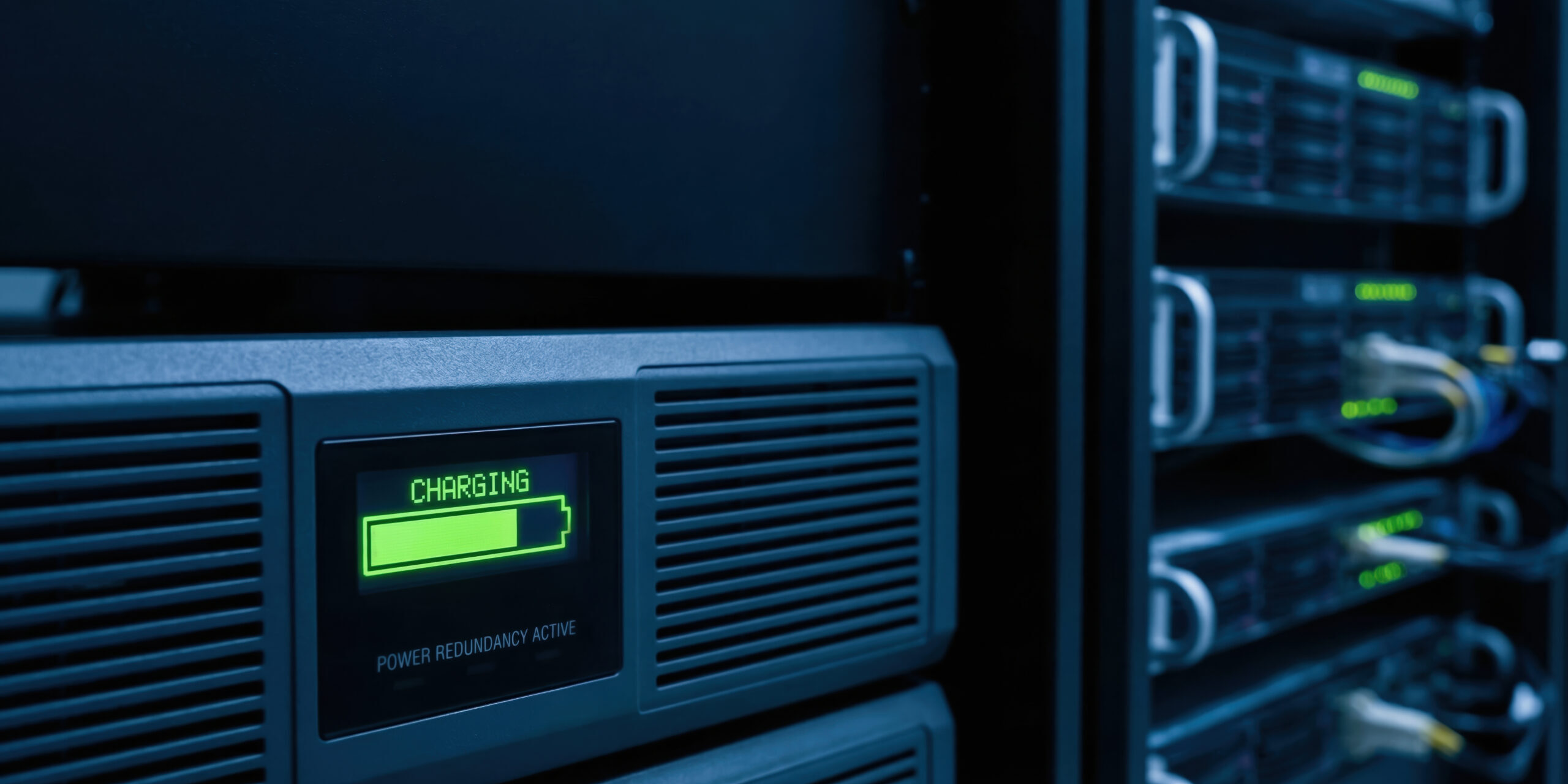
For many small businesses, even a short power outage can create serious disruptions. Lost productivity, corrupted files, damaged hardware, and unexpected downtime can quickly impact day-to-day operations and customer service. As businesses become more dependent on cloud platforms, local servers, VoIP phone systems, and connected devices, reliable backup power is no longer optional — it is a critical part of business continuity planning.
An uninterruptible power supply (UPS) helps protect businesses from sudden power loss by providing temporary backup power when outages occur. A properly configured battery backup system gives employees and IT systems enough time to safely save work, shut down equipment properly, and prevent data loss. Many UPS devices also include surge protection, helping defend sensitive hardware from electrical spikes that can damage computers, networking equipment, and servers.
Whether supporting a small office server room or a larger data center environment, UPS solutions play an important role in reducing downtime and protecting critical technology investments. For small businesses without enterprise-level infrastructure, a reliable battery backup system can be the difference between a minor inconvenience and a costly outage.
As cyber threats, severe weather, and infrastructure issues continue to increase, businesses should evaluate whether their current backup power strategy is enough to keep operations running when unexpected interruptions occur.
How Power Outages Impact Small Businesses
Many small businesses underestimate how damaging a sudden power outage can be until it directly affects operations. Even a brief interruption can disconnect employees from cloud applications, interrupt customer communications, shut down payment systems, and cause unexpected downtime across the entire office. For businesses that rely on connected devices, servers, or on-premise networking equipment, losing power for only a few minutes can create lasting operational problems.
Without a properly configured uninterruptible power supply, systems may shut down abruptly during an outage, increasing the risk of corrupted files, damaged hardware, and lost productivity. This is especially important for organizations managing local infrastructure, surveillance systems, or hybrid environments that still depend on physical servers alongside cloud services. A reliable battery backup solution helps provide temporary backup power so businesses can maintain stability long enough to safely power down equipment or transition to alternative recovery procedures.
UPS systems are also valuable for protecting networking hardware such as firewalls, switches, and wireless access points. Maintaining internet connectivity during short outages can allow employees to continue working remotely, preserve access to cloud-based applications, and reduce interruptions to business operations. This ties directly into broader business continuity and disaster recovery strategies that many organizations are now prioritizing to reduce operational risk.
Surge Protection Helps Prevent Expensive Hardware Damage
Power problems are not limited to complete outages. Voltage fluctuations, electrical surges, and brownouts can also damage sensitive business equipment over time. Computers, servers, networking hardware, and storage systems are all vulnerable to unstable electrical conditions, especially during severe weather events or utility disruptions. For small businesses operating with limited IT budgets, replacing damaged infrastructure can become an expensive and unexpected cost.
A quality uninterruptible power supply typically includes built-in surge protection designed to shield critical systems from sudden electrical spikes. Instead of allowing excess voltage to reach connected devices, the UPS helps regulate incoming power and reduce the risk of hardware failure. This is particularly important for businesses supporting server infrastructure, security appliances, VoIP systems, and equipment located in a small server room or larger data center environment.
In addition to protecting physical hardware, surge protection also helps reduce the risk of data corruption caused by improper shutdowns or unstable power delivery. Businesses that already invest in cybersecurity, backup solutions, and network security should also consider how electrical protection fits into their overall IT risk management strategy. Protecting systems from power-related damage is another important layer in maintaining reliable business operations and reducing avoidable downtime.
UPS Battery Backups Support Business Continuity Planning
Business continuity planning is not only about recovering from cyberattacks or natural disasters. It also involves preparing for everyday disruptions that can interrupt operations without warning. A properly deployed battery backup solution helps small businesses maintain stability during unexpected electrical failures and gives employees time to respond appropriately instead of reacting during an emergency situation.
An uninterruptible power supply can keep critical systems online long enough to prevent immediate shutdowns and minimize disruption to daily workflows. This is especially important for businesses that depend on internet connectivity, cloud platforms, customer communication systems, and local network infrastructure. Even short-term backup power can help prevent interrupted transactions, disconnected remote workers, and downtime that impacts customer service.
For organizations with servers or infrastructure supporting internal applications, UPS systems also help IT teams perform controlled shutdowns that reduce the risk of file corruption and hardware damage. Combined with disaster recovery planning, secure data backups, and network monitoring, a reliable battery backup strategy strengthens overall operational resilience. Small businesses that proactively plan for power-related interruptions are often better positioned to recover quickly and maintain productivity when unexpected issues occur.
Choosing the Right UPS Solution for Your Business
Not every uninterruptible power supply is designed for the same environment, which is why small businesses should carefully evaluate their operational needs before selecting a solution. The right UPS system depends on several factors, including the type of equipment being protected, the amount of backup power required, and how long critical systems need to remain operational during a power outage.
For smaller offices, a compact battery backup unit may be enough to protect workstations, internet equipment, and VoIP phones from short interruptions. Businesses operating servers, virtualization platforms, or larger network infrastructure may require more advanced UPS solutions capable of supporting an entire server room or small data center environment. In these situations, runtime capacity, load balancing, and remote monitoring capabilities become much more important.
Many organizations also overlook the importance of ongoing UPS maintenance. Battery performance naturally declines over time, and outdated systems may fail when they are needed most. Regular testing, monitoring, and battery replacement help ensure the uninterruptible power supply continues providing reliable surge protection and backup power during emergencies. Working with an experienced IT provider can help businesses identify the appropriate solution while ensuring critical infrastructure remains protected against unexpected electrical disruptions.
Conclusion
Power interruptions can happen at any time, and even short outages can create major problems for small businesses that depend on connected technology to operate efficiently. From protecting servers and networking equipment to reducing downtime and preventing data loss, a properly configured uninterruptible power supply provides an important layer of protection for modern business environments.
A reliable battery backup solution does more than keep devices running during a power outage. It also supports business continuity efforts, improves hardware protection through surge protection, and helps organizations maintain operational stability during unexpected disruptions. Whether protecting a small office network or supporting infrastructure within a larger data center environment, UPS systems help businesses reduce risk and improve overall resilience.
As technology continues to play a larger role in day-to-day operations, small businesses should evaluate whether their current backup power strategy is enough to protect critical systems and maintain productivity when outages occur. Investing in the right UPS solution today can help prevent costly downtime and infrastructure damage in the future.